
Semikhah
& Halakhah in Action
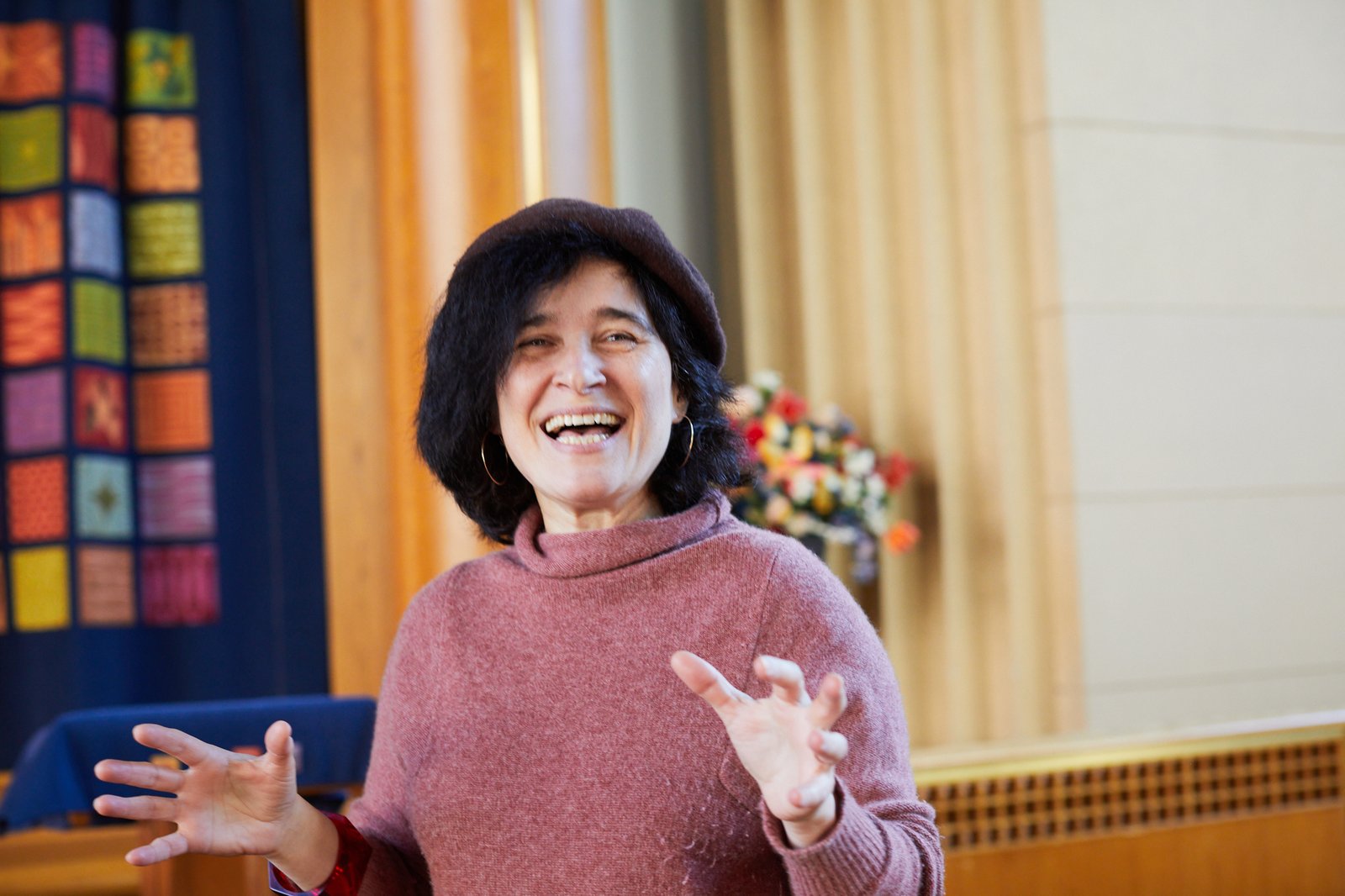
In June 2020, Ágnes Vető was ordained by Yeshivat Maharat — the first egalitarian Orthodox rabbinic seminary — as a poseket, a decisor of Jewish law. She was the first Hungarian-born Orthodox woman to receive ordination, and one of approximately fifty women worldwide who have completed the full Maharat training.
Yeshivat Maharat
Yeshivat Maharat, founded in 2009 by Rabba Sara Hurwitz and Rabbi Avi Weiss, is the first institution to ordain Orthodox Jewish women as spiritual, legal, and halakhic leaders. The program is rigorous and textually centered — the curriculum is the substance of classical rabbinic training, not a pastoral adjunct — and its graduates are recognized as poskot, decisors of Jewish law, in communities around the world.
Ágnes Vető entered the Kollel program in 2017, on scholarship, and was ordained in 2020. As she has written: “The offer appealed to me as a feminist and as a scholar. I did not require convincing that an emancipated, equality-based Orthodox Judaism needs women in leadership positions.” Her ordination was covered in the Hungarian Jewish press as “an epoch-making moment in the life of Hungarian Jewry.”
Halakhah in Action Fellowship
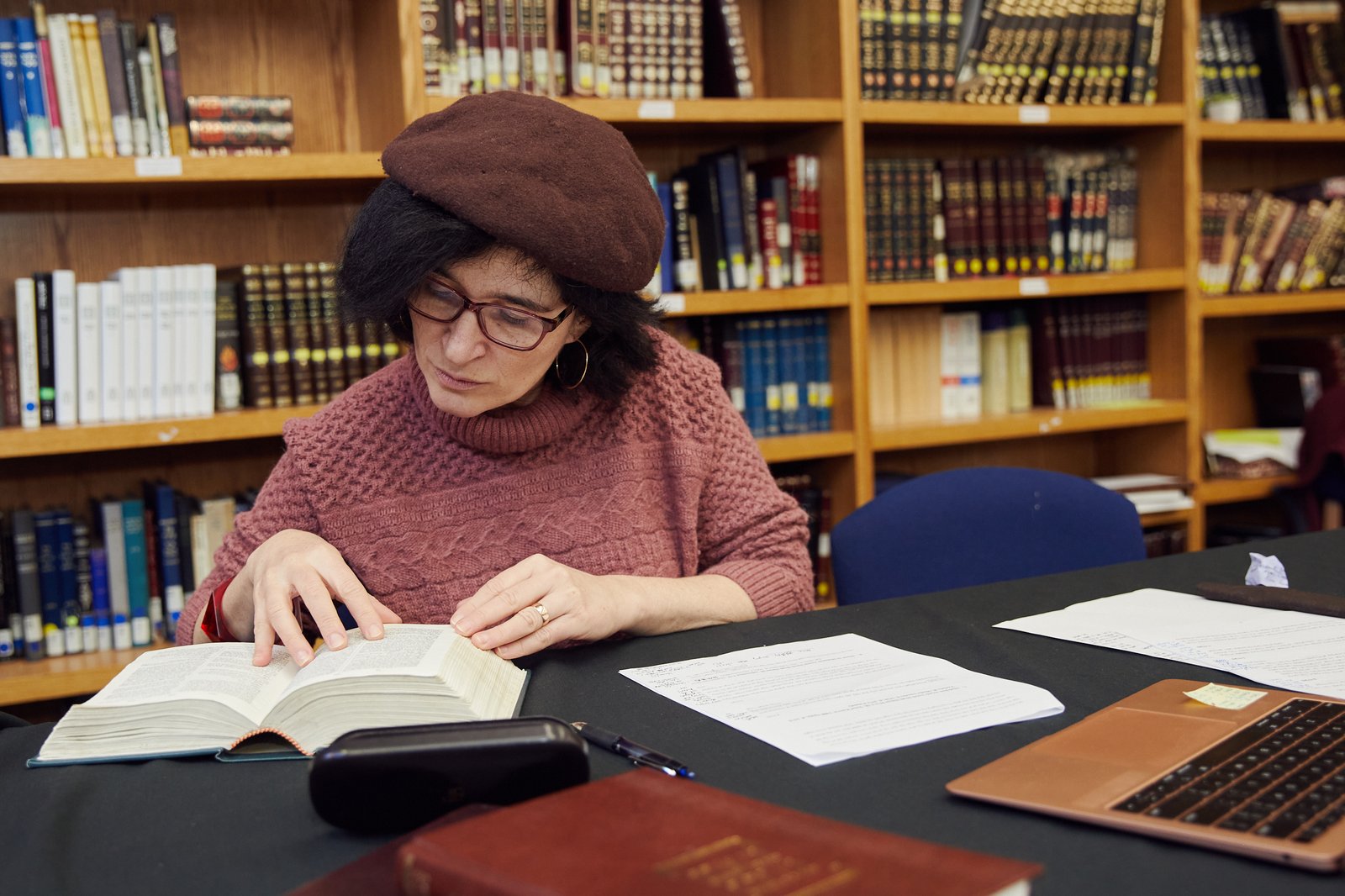
Since her ordination, Rabbanit Vető has been a Fellow in Maharat’s Halakhah in Action program, which takes on questions of female empowerment, economic and social justice, and Jewish–non-Jewish relations through the lens of Jewish law. The Fellowship’s aim is not merely analytical but legislative: to develop new, defensible halakhic rulings that change lives on the ground.
Her own work in the Fellowship has focused first on the agunot — women whose husbands refuse to grant them a religious divorce — and on the dormant halakhic resources, such as the tannaitic institution of mi’un, that might yet be reactivated to free them.
A Hungarian First
On June 4, 2020, the Federation of Hungarian Jewish Communities (Mazsihisz) announced the ordination of Dr. Ágnes Vető — alongside Anita Kántor, who was concurrently ordained at the Abraham Geiger College in Berlin — as “an epoch-making moment in the life of Hungarian Jewry.” The Kibic Magazine account, published days later, titled its notice “Unprecedented ordination of first Hungarian female rabbi.”

Rabbanit Vető’s ordination carries a particular weight in a Hungarian Jewish context shaped by the ruptures of the twentieth century. Her father, a Jew by birth, converted to Catholicism after the Shoah; her own trajectory — from an “unofficial” student of Hebrew and Aramaic in the late socialist period, to a Catholic university in Paris, to the Hebrew University and NYU, to orthodox semikhah — traces one arc of how a Hungarian Jew might find her way back.
Community

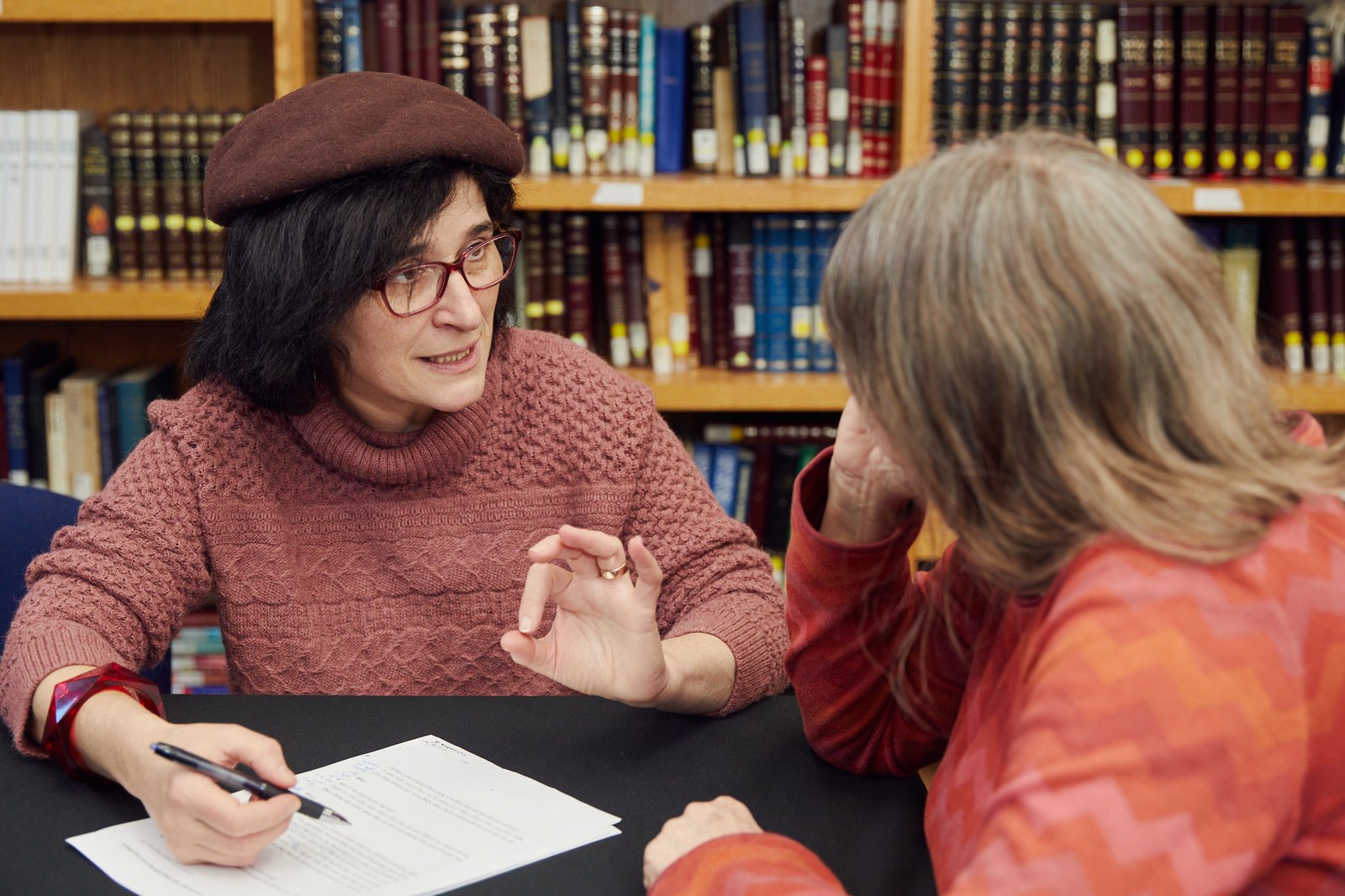
Rabbanit Vető serves the local Jewish community of the Hudson Valley and the wider Orthodox feminist community through teaching, pesikat halakhah (rendering legal decisions), and public scholarship. She offers pastoral consultation, teaches and mentors Maharat students, and is a regular presence at the Bayit in Riverdale. Her home in Poughkeepsie — shared with her family — has long been an open table for students, colleagues, and friends.