
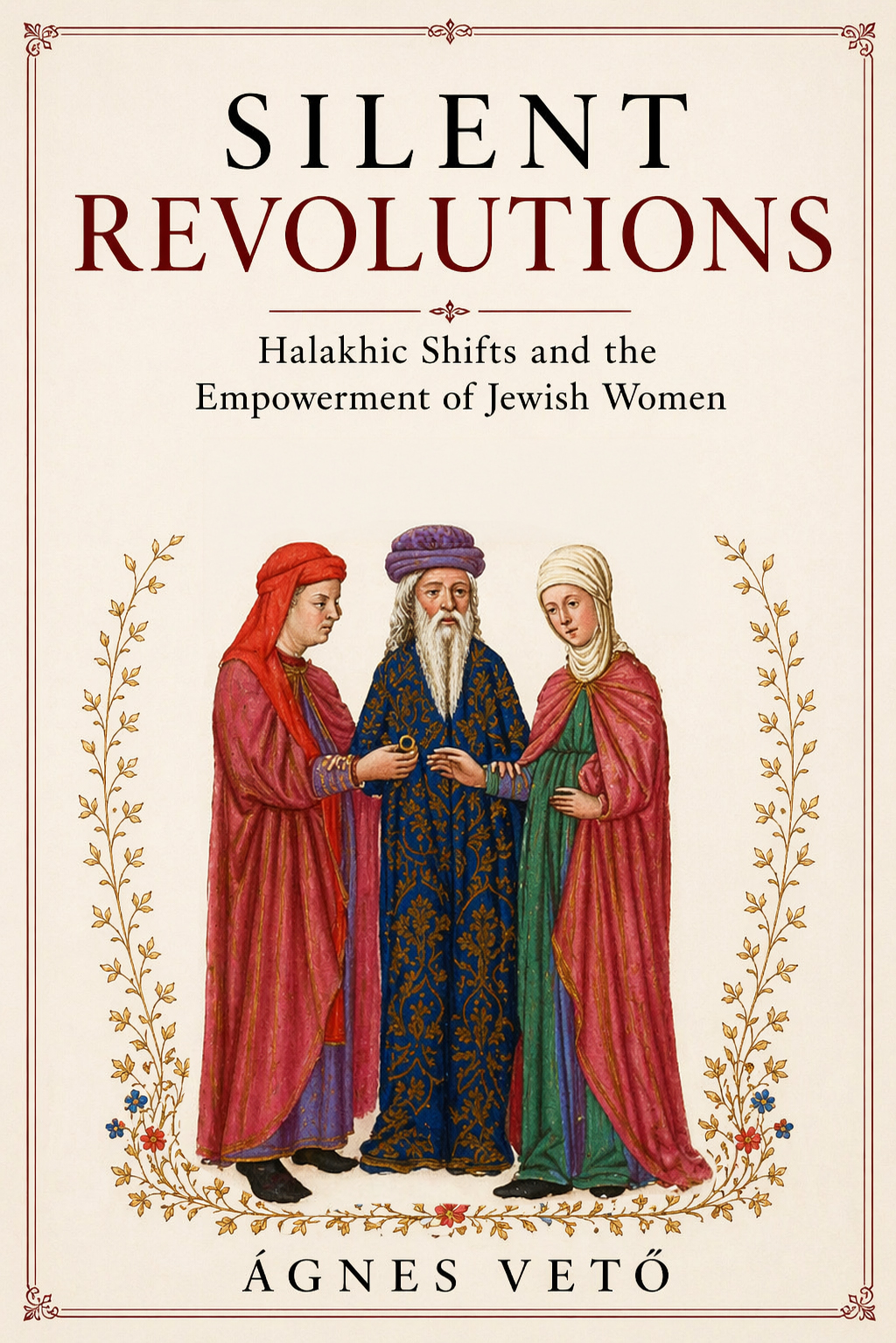
Silent Revolutions: Halakhic Shifts and the Empowerment of Jewish Women
A history, and an argument, for the role of modest, “silent” halakhic reforms in the expansion of Jewish women’s agency. Inspired in part by Saba Mahmood’s Politics of Piety: The Islamic Revival and the Feminist Subject, the project is purposefully focused on the quiet, incremental, and often unintentional legal adjustments — within inheritance law, vows, business practice, and marital institutions — whose cumulative effect has been the strengthening of women’s agency within the family and community.
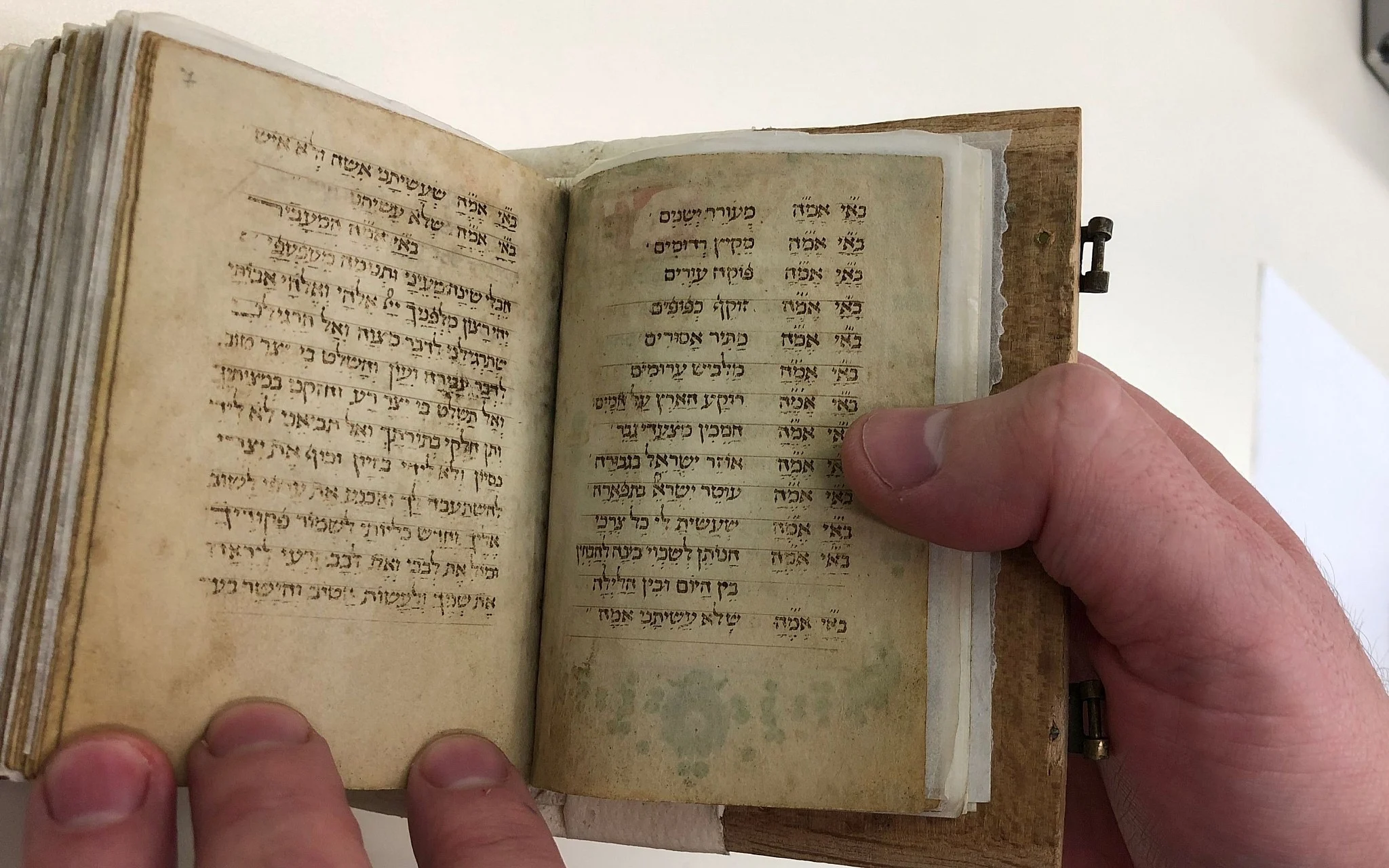
The project bifurcates into two lines of inquiry. The first is historical: a reconstruction of specific halakhic reforms that resulted, however modestly or unintentionally, in female empowerment. The second is constructive: building on those historical precedents, an investigation of how Jewish law has previously adapted to societal changes by implementing legal mechanisms that, while seemingly contravening explicit biblical prohibitions, addressed the community’s evolving needs — the paradigm case being the heter iska, a rabbinic construct that permits interest-bearing loans among Jews while leaving the Torah’s prohibition against usury formally intact. The project asks what analogous mechanisms might be marshalled for contemporary reforms, particularly concerning the status of women within marriage and the predicament of agunot.
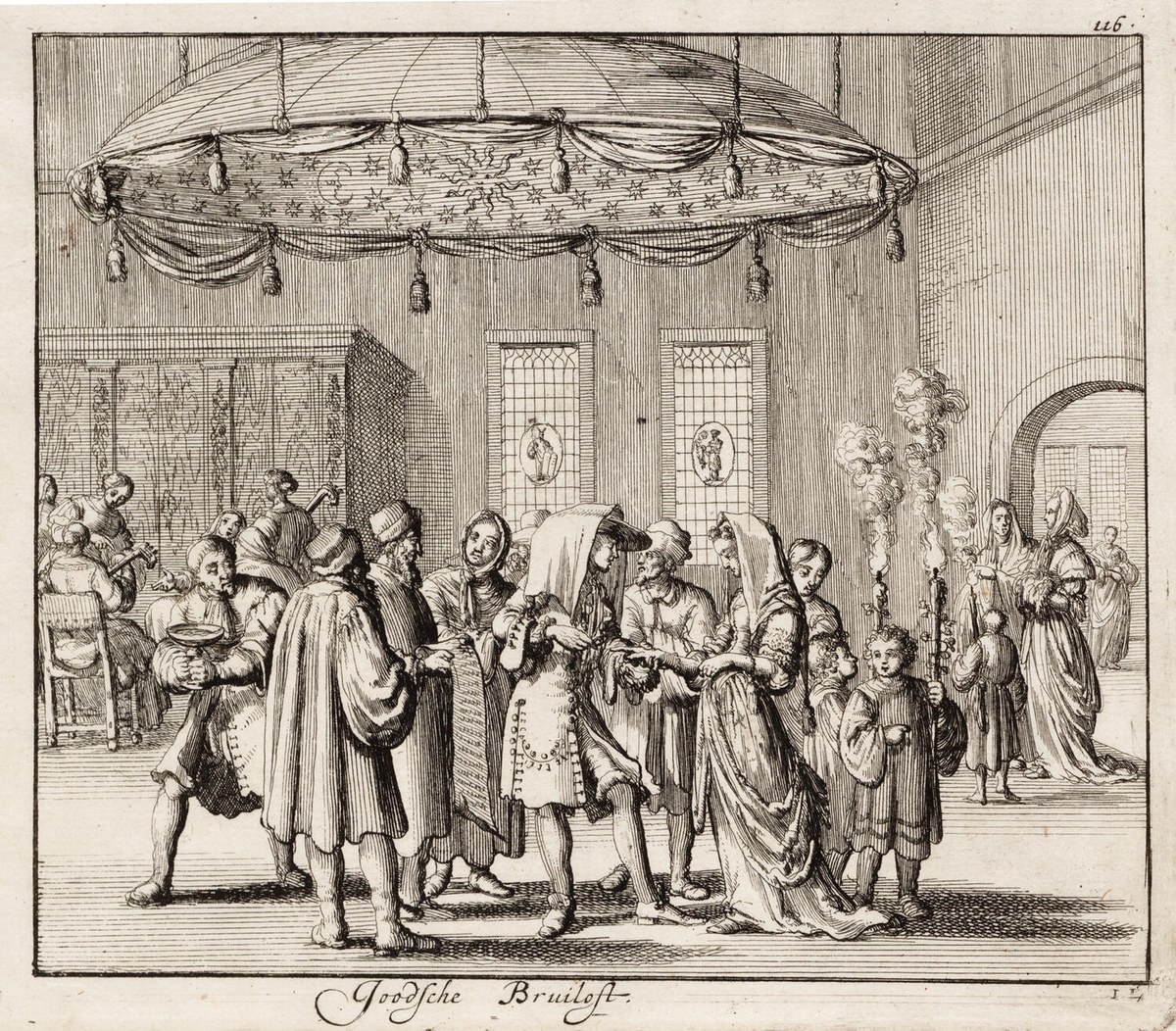
The work is in dialogue with Laura Shaw Frank, Ayelet Hoffmann Libson, Elana Stein Hain, and David Novak, each of whom has addressed adjacent themes. It aims to contribute both a historical account and a forward-looking perspective on how Jewish law can evolve to meet contemporary ethical standards and social realities without sacrificing the rigor and coherence of the halakhic framework.